
What Are Dental Veneers?
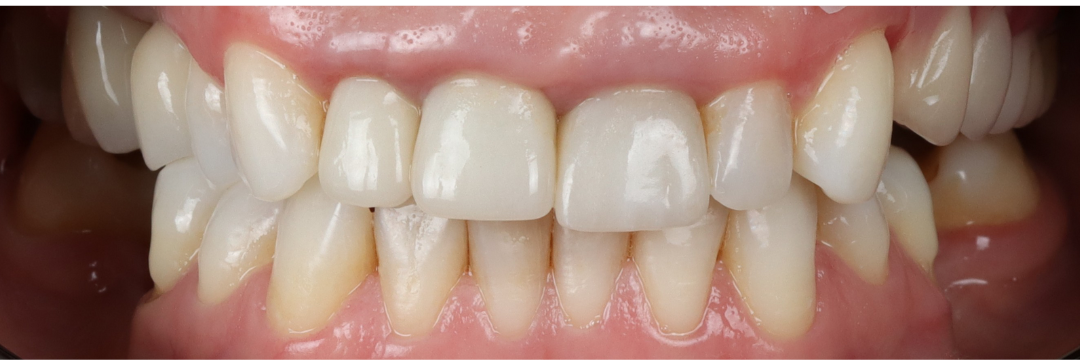
Dental veneers are thin, custom-made shells bonded to the front surfaces of selected teeth. They can refine color, shape, size, small gaps, and minor alignment concerns while preserving as much healthy tooth structure as the plan allows. Unlike removable covers sold without an examination, veneers are carefully designed dental restorations that must work with your gums, bite, lips, and neighboring teeth.
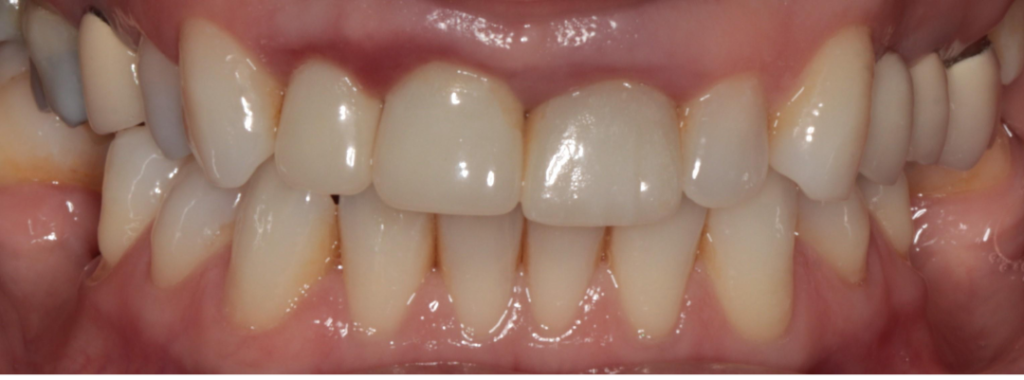
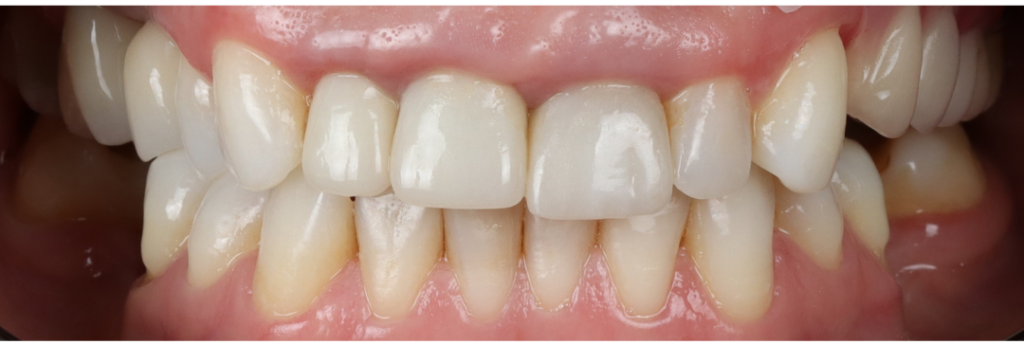
Veneers are primarily cosmetic, although they may restore worn edges or small chips. A veneer covers the visible front of a tooth and sometimes its edge; a crown surrounds the entire tooth. Some people need one veneer for a single dark or damaged tooth, while others choose several for a more balanced smile. The right choice begins with a clinical evaluation, because healthy teeth and gums are the foundation for predictable cosmetic results.
What Are Veneers Teeth Designed to Address?
People searching for what are veneers teeth often want to know whether veneers can solve a concern they notice in photographs or when they smile. Veneers may help conceal stains that professional whitening cannot fully improve, especially when discoloration comes from within the tooth. They can also improve uneven shapes, small chips, worn corners, mild spacing, or teeth that appear slightly short.
The objective is not to create identical, unnaturally white teeth. A successful veneer design considers facial proportions, lip movement, gumline, tooth position, and the way light reflects from nearby enamel. Subtle texture, translucency, and proportion can make a restoration look more like a natural tooth rather than a flat surface.
Veneers do have limits. They do not move severely crowded teeth, correct a significant bite issue, treat infection, or strengthen a tooth with extensive structural damage. In those circumstances, orthodontics, gum treatment, bonding, or a crown may be more appropriate. Dr. Olga Dontsova can help distinguish a cosmetic concern that veneers can address from one that needs a different foundation first.
How Does Veneer Work?
The answer to how does veneer work starts with planning rather than bonding. Each veneer is individually designed to sit precisely on a prepared tooth surface. The dentist evaluates tooth color, enamel quality, gum health, bite patterns, existing fillings or crowns, and the relationship between the teeth. Photographs, digital scans, or impressions may be used to create a detailed record and guide the design.
Once the veneer is ready, Dr. Olga Dontsova checks its fit, shade, contours, contacts, and bite before it is permanently attached. The tooth and veneer are treated with specialized dental materials that create a strong bond. This bond allows the thin restoration to become a functional part of the visible tooth surface. Final adjustments and polishing help the veneer feel smooth and blend comfortably into the smile.
Because bonding is only one step in a larger process, careful diagnosis matters. A beautifully made veneer may still fail to look or feel right if the underlying tooth, gums, or bite were not considered from the beginning.
Porcelain and Composite Veneers: Material Considerations
Porcelain veneers are usually fabricated in a dental laboratory after the smile design and preparation appointment. Porcelain can reflect light in a way that resembles natural enamel, and it generally resists staining better than composite resin. It can be an excellent choice when a refined, durable cosmetic change is planned for visible teeth.
Composite veneers use tooth-colored resin that is shaped directly on the teeth. In some cases, composite may require less preparation and can be repaired if a small area chips. However, composite may stain, wear, or lose polish over time. Material selection should never be based on a single feature alone.
Dr. Olga Dontsova considers your cosmetic goals, natural tooth shade, bite, tooth position, existing restorations, and long-term maintenance needs. Shade samples, photographs, and a trial design can make the conversation more concrete. The best material is the one that supports a healthy, natural-looking result for your individual situation.
Your Consultation With Dr. Olga Dontsova
A veneer consultation should be clear, collaborative, and unhurried. Begin by describing what you would like to change. You may bring examples of smiles you like, but remember that another person’s tooth shape or shade may not complement your facial features. Dr. Olga Dontsova will listen to your priorities and explain whether veneers, a more conservative option, or a combination of treatments best fits those goals.
The evaluation includes your teeth, gums, bite, existing restorations, and oral health history. X-rays or additional records may be appropriate in some cases. Cavities, gum inflammation, infection, and unstable bite concerns should be treated before cosmetic work begins. If you clench or grind your teeth, a protective strategy, such as a nightguard, may be part of the plan.
This is also the time to discuss timing. Whitening, orthodontics, periodontal care, or replacement of older fillings and crowns may need to happen before veneers are finalized. Asking direct questions about enamel preparation, temporaries, care, repair options, and future maintenance supports a more confident decision.
Preparation and Placement: What to Expect Step by Step
Many veneer plans require a small amount of enamel to be removed. This creates room for the veneer so the finished tooth does not appear bulky or feel out of proportion. The amount of preparation varies according to the tooth’s position, existing color, desired shape, and selected material. Some limited cases may require minimal preparation, while others need more precise reduction for a natural result.
It is important to understand that enamel removal is generally irreversible. Dr. Olga Dontsova should explain what preparation is recommended for your case and why. Local anesthetic may be used when preparation could cause discomfort. After preparation, a scan or impression records the details needed for laboratory fabrication.
At the fitting visit, each veneer is evaluated before bonding. The goal is to confirm that the shape, shade, margins, and bite feel right. This is an important quality-control stage, not a rushed final step. Once the veneers are bonded, the dentist makes final refinements and checks that you can speak and bite comfortably.
Temporary Veneers During the Laboratory Phase
Temporary veneers may be placed while final porcelain veneers are being created. They protect prepared teeth and give you a sense of how the new contours may feel. Temporaries are not as strong as final restorations, and they are attached with materials intended for short-term use.
During this period, avoid especially sticky foods, hard candy, ice, and habits such as biting pens or fingernails. If a temporary feels loose, rough, unusually sensitive, or uncomfortable when biting, contact the office promptly. This phase also provides useful feedback about length, shape, and comfort before final bonding. Thoughtful communication can help Dr. Olga Dontsova make refinements that support a smile that feels recognizably yours.
Aftercare and Realistic Limitations
Care for veneers much like you care for natural teeth. Brush twice daily with a gentle technique and a nonabrasive toothpaste when advised. Clean between teeth daily with floss or another method recommended by your dental team. Routine examinations and professional cleanings remain essential because veneers do not prevent decay or gum disease.
Avoid using teeth as tools to open packaging or bottles. Limit habits that place unnecessary force on the front teeth, including chewing ice, biting hard objects, or tearing items with your teeth. If you grind or clench, wear any prescribed nightguard consistently. These habits protect both veneers and the natural teeth beneath them.
Veneers can chip, crack, debond, or develop visible edge changes over time. Sensitivity may occur after preparation, especially during the temporary phase. Gum recession can expose a margin later and alter the appearance. Veneers also cannot be whitened after their shade is selected, so it is wise to discuss whitening natural teeth before the final color is chosen. Report persistent sensitivity, a sharp edge, looseness, or a changed bite without delay.
How Do Veneers Work for Teeth With Different Concerns?
How do veneers work for teeth with discoloration, chips, or uneven proportions? They cover selected front surfaces with carefully shaped material, creating a more unified appearance while preserving appropriate tooth structure. For example, one veneer may help blend a single tooth that remains darker after whitening. Several veneers may be considered when multiple front teeth have worn edges or visibly different shapes.
Balance matters. Treating only one tooth may be ideal in one situation but may make adjacent teeth look mismatched in another. Existing crowns, fillings, and natural enamel may age or change color differently. Dr. Olga Dontsova evaluates how the entire smile will work together, including what may be needed if a single veneer requires repair or replacement in the future.
Alternatives That May Better Match Your Needs
Veneers are not the only route to a brighter or more even smile. Professional whitening may be appropriate when healthy teeth mainly need a lighter shade. Dental bonding can repair a small chip or close a minor gap, often with less tooth alteration. Contouring can smooth tiny irregularities while preserving most natural enamel.
Orthodontic treatment may be a better choice for crowded, rotated, or significantly misaligned teeth because it moves teeth into healthier positions. Crowns may be recommended when a tooth has extensive decay, a large fracture, or substantial missing structure. Gum treatment may be needed before any cosmetic enhancement can be considered.
Sometimes the most conservative plan combines options. Whitening before bonding can simplify shade matching. Orthodontics followed by small cosmetic refinements may preserve more enamel than using veneers to mask tooth position. A good recommendation addresses your concerns without suggesting treatment you do not need.
Frequently Asked Questions About Veneers
Are veneers permanent?
Veneers are long-term restorations, but they are not permanent in the sense that they never need attention. Many cases involve irreversible enamel preparation, and a veneer may eventually need repair or replacement because of wear, damage, gum changes, or normal aging.
Do veneers hurt?
Preparation is often completed comfortably with local anesthetic when needed. Some people experience temporary sensitivity afterward, particularly to cold. Persistent discomfort, pain when biting, or sensitivity that does not improve should be discussed with Dr. Olga Dontsova.
Can veneers fix crooked teeth?
Veneers can visually improve slight irregularities, but they do not reposition teeth. Noticeable crowding, rotations, or bite problems may be better addressed with orthodontic treatment before cosmetic refinement.
Can I whiten veneers later?
No. Veneer material does not respond to whitening products the way natural enamel does. Discuss your preferred shade and any whitening plans before final bonding so surrounding teeth and restorations can be coordinated.